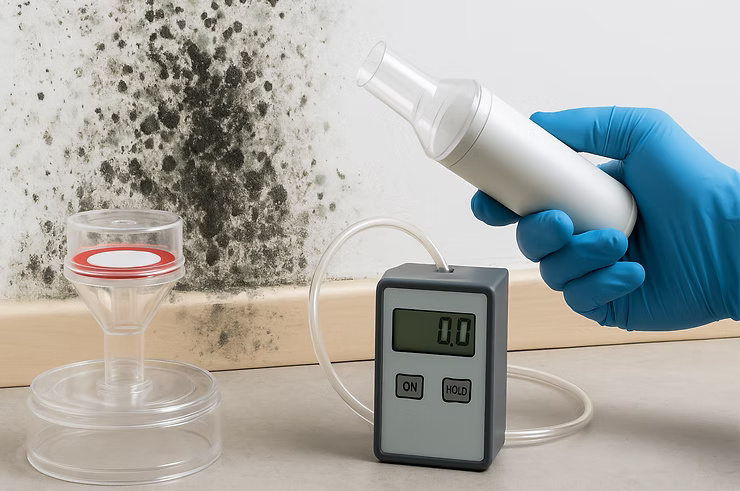
Most people think about indoor comfort in terms of temperature, but the quality of the air inside a home or business can be just as important. Dust, humidity, odors, airborne particles, poor ventilation, and other indoor environmental factors can affect how a space feels and functions.
The challenge is that many air-quality concerns are not visible. A room can appear clean while still having conditions that deserve professional attention. This is where Air Quality Testing Services can provide valuable insight.
Professional testing can help property owners understand indoor environmental conditions and determine whether improvements to ventilation, filtration, humidity control, or HVAC equipment may be appropriate. As homeowners and businesses become more aware of indoor environmental quality in 2026, testing is becoming an increasingly useful part of proactive property maintenance.
Indoor air quality testing involves evaluating selected characteristics or pollutants within an indoor environment. The specific tests depend on the property, the HVAC system, and the concerns being investigated.
Depending on the situation, an assessment may examine factors such as:
Professional testing should be based on the property's individual circumstances rather than relying on the same testing approach for every building.
People spend a significant amount of time indoors, making the indoor environment an important part of everyday comfort. When ventilation is inadequate or airborne particles and humidity are not properly managed, occupants may notice that the space feels dusty, stuffy, damp, or uncomfortable.
Common reasons for considering an indoor air assessment include:
Testing does not automatically mean that a property has a serious air-quality problem. Instead, it can provide information that helps guide appropriate next steps.
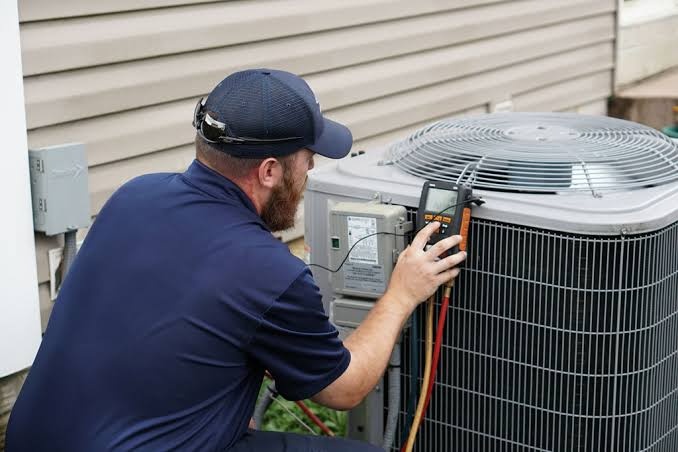
Heating and cooling equipment plays a major role in indoor air circulation. Filters, ductwork, air handlers, ventilation systems, and humidity controls can all influence the indoor environment.
A poorly maintained HVAC system may contribute to restricted airflow, excessive dust circulation, or inadequate moisture management.
Professional Air Quality Testing Services can be especially useful when combined with an HVAC evaluation. A technician may identify opportunities involving:
Looking at the HVAC system as part of the overall indoor environment can provide a more complete understanding of potential concerns.
Humidity is an important part of indoor comfort. Excessively humid conditions can make rooms feel warmer and less comfortable, while excessively dry conditions can create different indoor-environment challenges.
In warm and humid climates, air conditioning naturally removes some moisture while cooling the property. However, certain buildings may require additional humidity management.
An indoor assessment can help property owners understand whether humidity may be contributing to comfort concerns and whether additional dehumidification should be considered.
HVAC filters are designed to capture airborne particles before conditioned air circulates through the property. However, different filters have different capabilities, and the appropriate filter depends on the HVAC system.
Property owners should consider:
Using a filter that is too restrictive for a particular system may affect airflow. A professional can help determine whether the existing filtration setup is appropriate or whether an upgrade may be beneficial.
There is no universal schedule requiring every property to undergo air-quality testing. Testing is often most useful when there is a specific concern or when property owners want objective information about indoor conditions.
Consider professional testing if you notice:
Testing can help establish what conditions are present and whether additional investigation is warranted.
Indoor air quality is also important in commercial properties. Offices, retail locations, restaurants, schools, and other facilities may have different occupancy levels, ventilation systems, and operating conditions.
Businesses may consider professional testing when:
For commercial properties, an assessment can help facility managers make more informed decisions about HVAC maintenance, ventilation, and filtration.
Technology is changing the way homeowners and businesses monitor indoor environments. Modern sensors can provide ongoing information about conditions such as temperature, humidity, carbon dioxide, and certain particulate levels.
Depending on the equipment, smart monitoring systems may offer:
These technologies can help property owners recognize changes over time. However, consumer sensors and professional testing serve different purposes.
Sensors can provide ongoing monitoring, while professional testing can be selected based on specific concerns and building conditions.
Testing is only one part of improving an indoor environment. Once potential concerns have been identified, a professional can help determine whether corrective action is appropriate.
Potential improvements may include:
The right solution depends on the conditions identified and the design of the property.
Some properties may benefit from additional air-cleaning equipment. Whole-home filtration and other HVAC-compatible solutions can provide additional particle-management capabilities.
However, equipment should be selected based on the property's needs and HVAC specifications. Installing an inappropriate system can create unnecessary costs or airflow concerns.
Professional evaluation can help determine whether additional filtration or purification is actually warranted.
When searching for Air Quality Testing Services, property owners should look for a provider with experience in both indoor environmental assessment and HVAC systems.
Consider a professional who offers:
A trustworthy provider should focus on identifying the actual concern rather than recommending unnecessary products or services.
Indoor air quality can have a significant impact on the comfort and functionality of a home or business. Because many indoor environmental conditions cannot be identified simply by looking around a room, professional Air Quality Testing Services can provide useful information about what is happening inside a property.
In 2026, smart sensors, advanced filtration, connected HVAC systems, and improved monitoring technology are giving property owners more tools for managing indoor environments. Still, technology works best when combined with professional assessment and appropriate HVAC maintenance.
By identifying potential concerns, evaluating the HVAC system, and choosing practical solutions for ventilation, filtration, and humidity control, homeowners and businesses can take a more informed approach to maintaining a comfortable indoor environment.

This post has been authored and published by one of our premium contributors, who are experts in their fields. They bring high-quality, well-researched content that adds significant value to our platform.








London Lifestyle is your guide to fashion, travel, food, and modern city living in London. Stay inspired with daily lifestyle updates and trends.